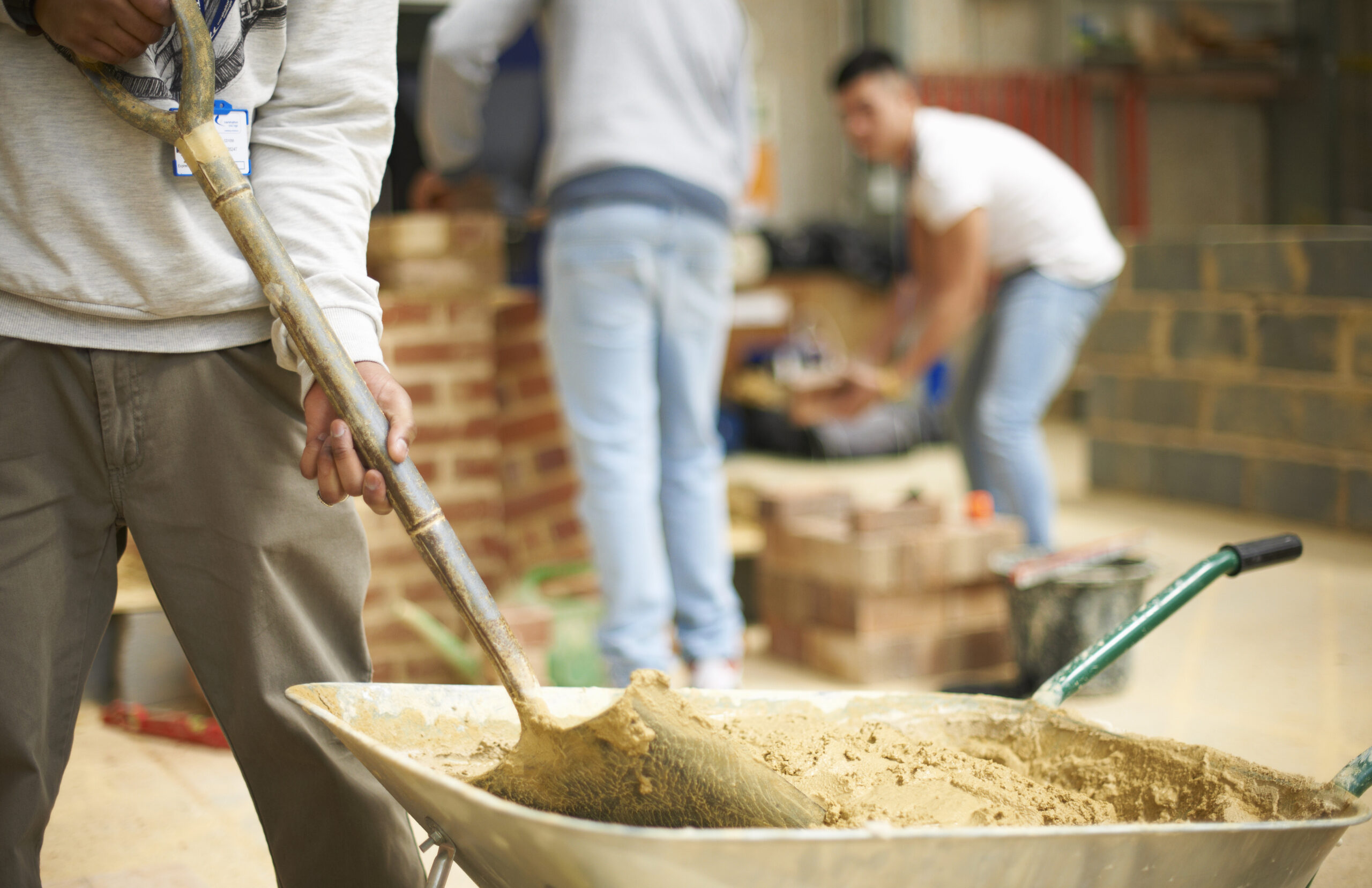
Masonry sand plays a key role in construction work across Brooklyn, New York. Masonry sand supports strong brickwork, smooth mortar joints, and stable surface finishing in residential and commercial projects. Property owners depend on masonry sand for durable walls, patios, and concrete finishing work. Industry reports show mortar quality improves bonding strength by up to 40 percent when the correct sand type is used.
MASTER REPAIR CONTRACTING CORP supports masonry and concrete solutions for homeowners and commercial clients. Proper material selection improves long-term structural safety and reduces repair costs in urban environments like Brooklyn.
Masonry Sand Applications In Residential And Commercial Construction
Masonry sand supports multiple construction tasks in exterior and interior masonry work. Contractors use it for brick laying, stone setting, and plaster mixing. Research from construction material studies shows that fine graded sand improves mortar adhesion and reduces cracking risks by nearly 30 percent.
Common applications include:
- Brick wall construction
- Stone masonry bonding
- Patio surface leveling
- Pool base preparation
- Mortar mixing for block work
Property owners in Brooklyn often search for masonry sand near me to find a consistent quality supply for renovation and repair projects.
Masonry Sand Cost Factors And Market Pricing Overview
Masonry sand cost depends on location, quality grade, and delivery distance. New York construction market reports show average pricing ranges from $30 to $80 per ton, depending on supplier and transport distance.
Cost comparison table:
| Sand Type | Price Range Per Ton | Common Use |
| Masonry Sand | $30 – $80 | Brick and mortar work |
| Concrete Sand | $40 – $90 | Structural concrete mix |
| White Masonry Sand | $60 – $120 | Decorative finishes |
Budget planning helps property owners control material expenses while maintaining structural quality.
MASTER REPAIR CONTRACTING CORP provides material selection support through our services that help customers match project scope with proper sand grade selection.
Masonry Sand For Grass And Landscape Applications
Masonry sand for grass improves soil leveling and drainage in landscaping projects. Lawn care experts use sand to improve soil structure and reduce water pooling. Agricultural studies show sand blending improves turf drainage by up to 25 percent in compact soil zones.
Key uses in landscaping:
- Lawn leveling and repair
- Drainage improvement
- Soil aeration support
- Garden base preparation
Brooklyn property owners often combine sand leveling with sod installation for improved lawn health and stability.
Proper use of masonry sand improves outdoor surface quality and long-term grass performance.
White Masonry Sand For Decorative Construction Work
White masonry sand provides a clean finish for decorative masonry and architectural detailing. Contractors use it in stone facades, pool surrounds, and landscape features. Light colored sand improves visual brightness and enhances exterior design appeal.
Design advantages include:
- Clean architectural appearance
- Strong color contrast with the stone
- Ideal for decorative mortar joints
- Suitable for upscale exterior finishes
White sand selection improves property aesthetics and increases curb appeal in residential projects across Brooklyn neighborhoods.
Concrete Sand Vs Masonry Sand Comparison For Structural Work
Concrete sand vs masonry sand remains a key decision in construction planning. Concrete sand contains coarser particles that improve structural strength. Masonry sand contains finer grains that improve smooth finishing and bonding.
Comparison table:
| Feature | Masonry Sand | Concrete Sand |
| Texture | Fine and smooth | Coarse and gritty |
| Main Use | Brick and block work | Concrete slabs |
| Finish Quality | High smooth finish | Structural strength focus |
| Drainage | Moderate | High |
Construction experts recommend selecting materials based on project load and finish requirements.
Masonry Sand Quality Standards In Brooklyn Construction Projects
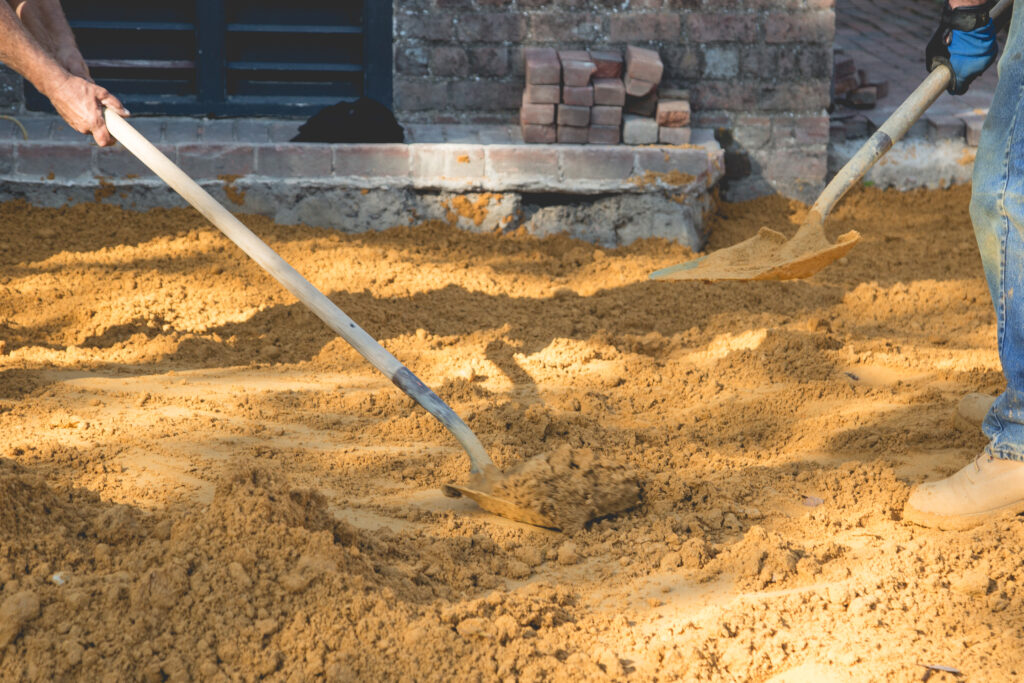
Quality control plays a major role in the success of masonry work. Poor sand quality leads to weak bonding and surface cracking. Industry testing shows clean-washed sand improves mortar strength consistency by nearly 35 percent.
Key quality factors:
- Particle uniformity
- Moisture control levels
- Clay and impurity content
- Grain size consistency
Proper material sourcing improves long-term durability in residential and commercial structures across Brooklyn.
Best Uses Of Masonry Sand In Modern Construction Systems
Masonry sand supports multiple construction systems in urban development. Contractors rely on it for structural bonding and surface finishing. It remains essential in both repair and new construction projects.
Primary uses include:
- Brick and block laying
- Stone veneer installation
- Mortar joint filling
- Paver base leveling
MASTER REPAIR CONTRACTING CORP applies professional standards through our services to ensure correct material selection for each structural application.
Key Benefits Of Using Masonry Sand In Construction Projects
Proper use of masonry sand increases strength, durability, and finish quality. Construction studies show that correct sand grading improves load resistance in masonry walls.
Main benefits include:
- Strong mortar bonding
- Smooth surface finishing
- Reduced cracking risk
- Improved water resistance
Professional contractors in Brooklyn prefer masonry sand for detailed architectural work due to its fine texture and consistent performance.
Frequently Asked Questions
What Is Masonry Sand Used For?
Masonry sand is used for brick laying, stone work, and mortar mixing in construction projects.
What Is The Average Masonry Sand Cost?
Masonry sand costs range from $30 to $80 per ton, depending on the supplier and delivery location.
Can Masonry Sand Be Used For Grass Leveling?
Masonry sand for grass improves drainage and soil leveling in landscaping applications.
What Is White Masonry Sand Used For?
white masonry sand is used for decorative masonry and architectural finishing work.
What Is The Difference Between Concrete Sand Vs Masonry Sand?
Concrete sand is coarse and used for strength, while masonry sand is fine and used for smooth finishing.
Where Can Property Owners Find Masonry Sand Near Me?
Local suppliers and construction material yards provide masonry sand near Brooklyn construction zones.
Is Masonry Sand Good For Mortar Work?
Yes, it improves bonding strength and creates smooth mortar joints.