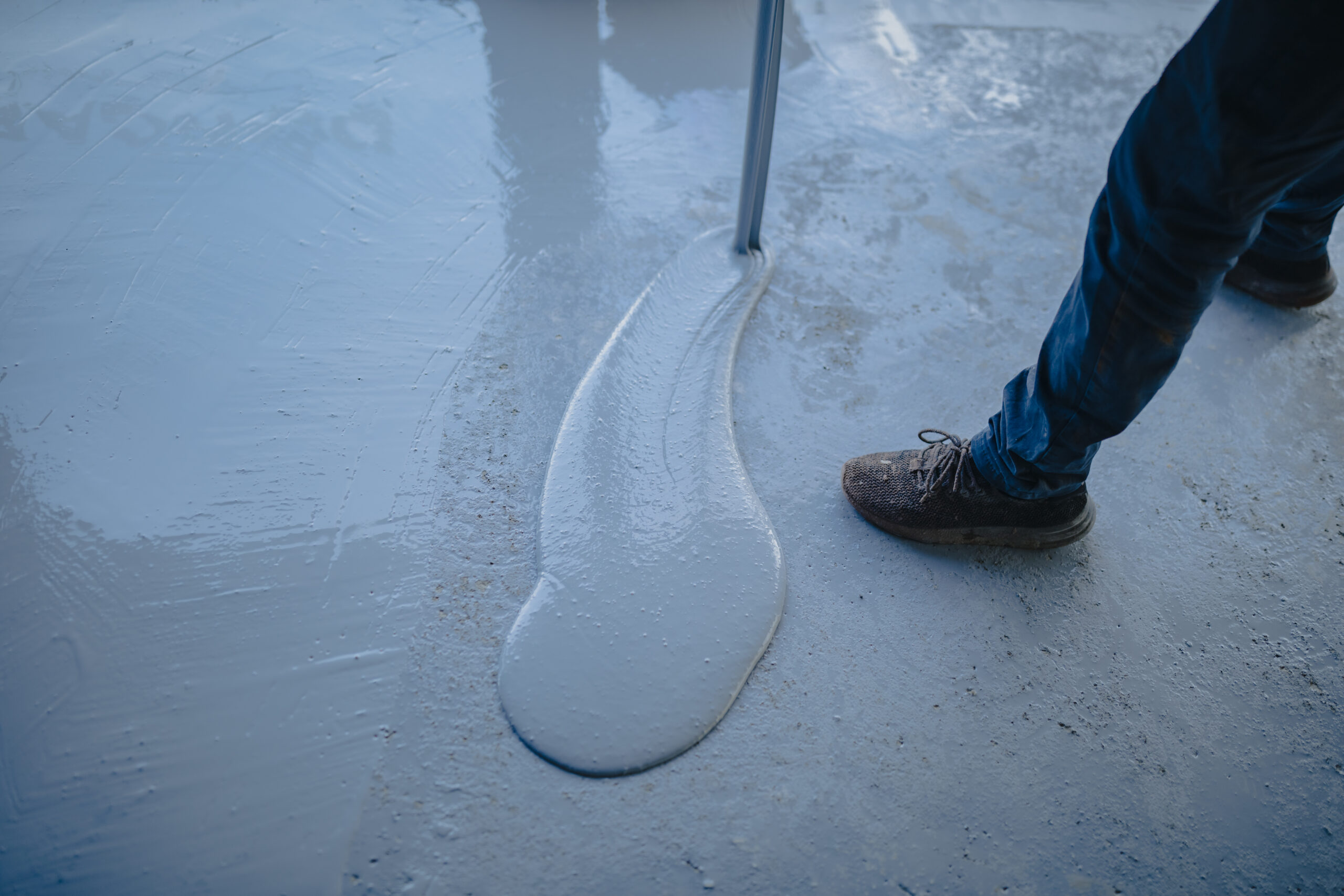
If you have been searching for how much concrete sealing services cost in 2026, you are not alone. Concrete sealing is one of the most common questions homeowners and property managers ask before scheduling a masonry contractor and for good reason. Prices vary widely based on surface type, sealer material, project size, and your location.
According to the latest data from Home Guide and Angi, the average cost to seal concrete ranges from $1.35 to $2.50 per square foot with professional labor included. For a standard project, most homeowners spend between $1,350 and $3,500 in total. However, in high-cost metro areas like New York City, these figures can run 20–35% higher due to NYC-level labor rates which average around $80 per hour for skilled masonry work.
At Master Repair Contracting Corp, we provide professional concrete sealing services for both residential and commercial clients throughout New York. In this guide, we break down every pricing factor so you know exactly what to budget and what to ask your concrete contractor before signing anything.
2026 Concrete Sealing Cost: Quick Reference Table
Here is a fast overview of concrete sealing costs by surface type, based on current national pricing data for 2026:
| Surface Type | Avg. Size (sq ft) | Cost Range | Avg. Total Cost |
| Concrete driveway (2-car) | 400–600 sq ft | $1 – $3/sq ft | $575 – $1,700 |
| Concrete patio | 200–300 sq ft | $1.35 – $2.50/sq ft | $250 – $600 |
| Garage floor | 360 sq ft | $1 – $3/sq ft | $360 – $1,080 |
| Pool deck | 500–900 sq ft | $1.50 – $2.50/sq ft | $750 – $2,250 |
| Concrete walkway | 100–200 sq ft | $1.35 – $2/sq ft | $135 – $400 |
| Stamped concrete patio | 300–500 sq ft | $2 – $4/sq ft | $600 – $2,000 |
| Large commercial slab | 1,000+ sq ft | $1 – $1.75/sq ft | $1,000 – $5,200+ |
Note: NYC and Northeast markets typically run 20–35% above national averages due to higher labor costs and permit requirements.
Concrete Sealing Cost by Sealer Type
One of the biggest factors affecting your concrete sealing cost is the type of sealer used. Each sealer type has different material costs, application methods, durability timelines, and best-use scenarios. Here is a detailed breakdown:
1. Penetrating Sealers (Siliconate / Siloxane)
Cost: $0.89 – $1.04 per square foot (national average, 2026)
Penetrating sealers soak into the concrete surface and bond chemically to protect against moisture, salt, and freeze-thaw damage. They are invisible, non-slip, and ideal for outdoor driveways, walkways, and concrete steps. This is the most recommended sealer type for New York City properties where road salt and winter freeze cycles are major concerns.
- Best for: Driveways, sidewalks, outdoor steps, concrete foundation repair follow-up
- Lifespan: 5–25 years depending on exposure
- Finish: Matte / natural look
2. Acrylic Sealers
Cost: $1.52 – $1.79 per square foot (national average, 2026)
Acrylic sealers form a thin protective film on the concrete surface. They are available in water-based and solvent-based forms and come in gloss or semi-gloss finishes. Acrylic sealers are popular for decorative concrete services, stamped concrete patios, and concrete resurfacing projects.
- Best for: Stamped concrete patio, decorative concrete, colored concrete
- Lifespan: 1–3 years (requires more frequent reapplication)
- Finish: Gloss or semi-gloss
3. Polyurethane Sealers
Cost: $1.45 – $1.71 per square foot (national average, 2026)
Polyurethane sealers offer better UV resistance and abrasion protection than acrylics. They are a strong mid-range option for high-traffic patios and concrete slab installation follow-up work. Often used by masonry and concrete services contractors for commercial residential properties.
- Best for: High-traffic patios, concrete walkway installation, commercial concrete
- Lifespan: 3–5 years
- Finish: Gloss or matte available
4. Epoxy Sealers
Cost: $4.00 – $4.79 per square foot (national average, 2026)
Epoxy is the most durable sealer available and the top choice for garage floors and high-traffic commercial concrete. It creates a hard, chemical-resistant surface that resists oil, grease, and abrasion. While it costs significantly more, it lasts the longest and dramatically improves the look of concrete polishing services and concrete floor staining projects.
- Best for: Garage floors, basement floors, commercial concrete contractor projects
- Lifespan: 5–10 years
- Finish: High gloss
5. Polyaspartic Sealers
Cost: $3.00 – $5.00+ per square foot
Polyaspartic sealers are the premium tier of concrete coatings curing up to 3x faster than epoxy while offering superior UV stability and impact resistance. They are the top choice for concrete pool deck installation, commercial floors, and decorative concrete services requiring a showroom-quality finish.
- Best for: Pool decks, commercial floors, high-end residential applications
- Lifespan: 10–15 years with proper maintenance
- Finish: High gloss or matte available
| Sealer Type | Cost/Sq Ft | Lifespan | Best Use | Finish |
| Penetrating | $0.89–$1.04 | 5–25 yrs | Driveways, outdoors | Matte |
| Acrylic | $1.52–$1.79 | 1–3 yrs | Stamped/decorative | Gloss/semi |
| Polyurethane | $1.45–$1.71 | 3–5 yrs | Patios, walkways | Gloss/matte |
| Epoxy | $4.00–$4.79 | 5–10 yrs | Garage, commercial | High gloss |
| Polyaspartic | $3.00–$5.00+ | 10–15 yrs | Pool deck, premium | Gloss/matte |
7 Key Factors That Affect Your Concrete Sealing Cost
Beyond sealer type and surface area, several additional variables influence what you will pay for professional concrete sealing services. Understanding these factors helps you avoid surprises when your masonry contractor gives you a quote.
1. Surface Size
Larger surfaces cost more in total but often cost less per square foot. Contractors typically offer volume discounts on jobs over 1,000 square feet. A commercial concrete contractor will usually price large slabs at $1.00–$1.75 per square foot, compared to $2.50+ for small residential jobs with minimum service fees.
2. Surface Condition & Prep Work
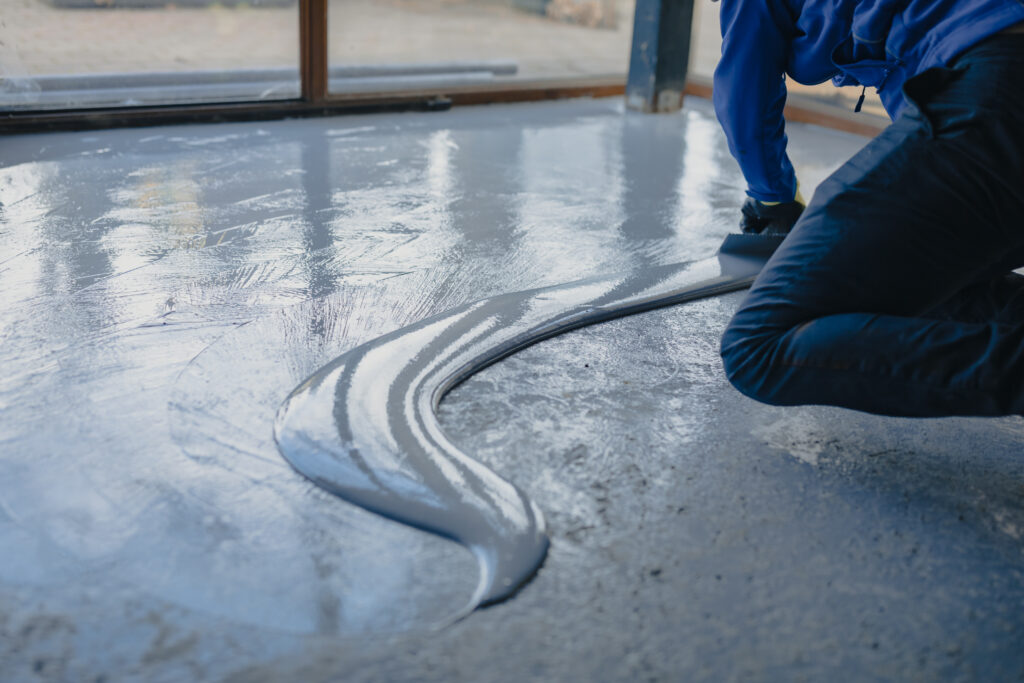
Before any sealing job begins, the concrete must be thoroughly cleaned and dried. Pressure washing typically costs an additional $0.35–$0.75 per square foot. If your concrete has cracks, spalling, or damage, concrete repair and resurfacing must be completed first adding $3–$10 per square foot in additional costs. This is why many homeowners combine concrete foundation repair or concrete resurfacing with sealing in a single project visit.
3. Number of Coats
Most standard concrete sealing services include one coat. High-traffic areas, porous surfaces, or surfaces that have never been sealed may require two coats which adds 30–50% to the total cost. Your masonry contractor will assess this during the inspection.
4. Removal of Old Sealer
If your concrete was previously sealed and the old coating is failing or peeling, it must be removed before a new sealer is applied. Old sealer removal costs $1–$3 per square foot and is often overlooked in initial budget estimates.
5. Location & Labor Rates
Location is a major cost driver. National average labor for concrete sealing runs $0.70–$1.25 per square foot. In New York City, labor rates average around $80 per hour for skilled masonry work pushing total costs 20–35% above national averages. If you need a masonry contractor in the NYC metro area, always request multiple quotes and verify licensing and insurance.
6. Surface Type & Accessibility
Flat, open surfaces like driveways and garage floors are the easiest and cheapest to seal. Decorative concrete services like stamped concrete patio sealing, vertical surfaces, pool decks, or areas with obstacles (planters, fencing, pool equipment) require more time and skill raising costs accordingly.
7. Season & Demand
Concrete sealing has seasonal peaks. Spring and early fall are peak seasons when demand is highest and scheduling can take longer. Booking masonry and concrete services in late fall or winter often results in lower pricing and faster availability though application requires temperatures above 50°F.
Real Project Cost Examples for 2026
Example 1: Concrete Driveway Sealing (Single Car — 400 sq ft)
- Pressure washing: $140–$300
- Penetrating sealer application: $356–$416
- Total estimated cost: $500 – $750
Example 2: Stamped Concrete Patio Sealing (400 sq ft)
- Surface cleaning and prep: $140–$300
- Acrylic sealer (2 coats): $800–$1,200
- Total estimated cost: $940 – $1,500
Example 3: Garage Floor Epoxy Sealing (360 sq ft)
- Floor prep and cleaning: $126–$270
- Epoxy sealer application: $1,440–$1,724
- Total estimated cost: $1,566 – $2,000+
Example 4: Commercial Concrete Slab Sealing (2,000 sq ft)
- Pressure washing: $700–$1,500
- Polyurethane sealer (1 coat): $2,900–$3,420
- Total estimated cost: $3,600 – $5,000
Note: NYC-area projects should add 20–35% to these estimates to account for local labor rates and material costs.
DIY vs. Professional Concrete Sealing: Which Makes More Sense?
Many homeowners consider doing concrete sealing themselves to save money. DIY sealing materials cost $0.10–$0.75 per square foot significantly less than professional pricing. However, the difference in outcome is substantial.
When DIY Makes Sense
- Small, simple flat surfaces (under 200 sq ft)
- Brand new concrete that just needs a basic protective coat
- Tight budget and low-traffic area
When to Hire a Professional Concrete Contractor
- Surface requires pressure washing, crack repair, or resurfacing before sealing
- Stamped, decorative, or previously sealed concrete needing old coating removed
- Large driveways, pool decks, or commercial concrete contractor projects
- Epoxy or polyaspartic systems requiring professional equipment
- Concrete foundation repair or masonry restoration needed alongside sealing
Professional concrete sealing services also come with proper surface preparation, warranty-backed application, and industry-grade products not available at retail stores. Uneven coverage, missed prep steps, or wrong sealer selection are the most common DIY mistakes all of which lead to premature failure and higher costs to redo the job.
How to Save Money on Concrete Sealing Services
Concrete sealing does not have to break the budget. Here are smart ways to reduce your costs without compromising quality:
1. Bundle services: Combine concrete sealing with concrete resurfacing, masonry repair near me, or brick repair services into one project visit many contractors offer package discounts.
2. Book off-season: Schedule in late fall or early winter when masonry contractors have more availability and may offer lower rates.
3. Get three quotes: Always get at least three bids from licensed, insured concrete contractors. Compare scope of work, not just final price.
4. Seal on schedule: Concrete sealed every 2–5 years lasts significantly longer than neglected surfaces. Preventive sealing is far cheaper than concrete repair and resurfacing later.
5. Ask about maintenance plans: Some masonry construction companies, including Master Repair Contracting Corp, offer recurring maintenance plans at reduced rates for returning clients.
Why Choose Master Repair Contracting Corp for Concrete Sealing?
Master Repair Contracting Corp is a full-service masonry contractor and concrete contractor serving residential and commercial clients throughout New York. Our team brings years of hands-on experience in concrete sealing services, concrete resurfacing, masonry restoration, and decorative concrete services.
When you hire Master Repair Contracting Corp, you get:
- Free consultation and detailed project estimate
- Licensed, insured, and background-checked masonry and concrete professionals
- Premium-grade sealers matched to your surface and environment
- Complete surface prep including pressure washing and concrete repair near me
- Transparent pricing with no hidden fees
- Residential masonry services and commercial concrete contractor capabilities
Whether you need a simple driveway seal, a full stamped concrete patio restoration, or a large-scale commercial concrete contractor project in New York, our team delivers results that last.
Ready to get a free quote on concrete sealing services? Contact Master Repair Contracting Corp today at masterrepaircontracting.com.
FAQs
Q1. How much does it cost to seal a concrete driveway in 2026?
Sealing a standard 2-car concrete driveway costs $575–$1,700 on average nationally. In New York City and the surrounding metro area, expect to pay $700–$2,300 depending on surface condition, sealer type, and whether prep work is needed.
Q2. How often should concrete be sealed?
Most concrete surfaces should be resealed every 2–5 years, depending on exposure and traffic. Outdoor driveways and walkways in harsh climates like New York should be resealed every 2–3 years. Garage floors with epoxy or polyaspartic coatings may last 5–10 years before needing attention.
Q3. Is concrete sealing worth the money?
Yes, concrete sealing services are one of the highest-ROI maintenance investments for any property. Sealed concrete resists staining, moisture penetration, freeze-thaw cracking, and salt damage. Studies show sealed concrete can last 25–30% longer than unsealed surfaces, dramatically reducing long-term repair and resurfacing costs.
Q4. What is the cheapest type of concrete sealer?
Penetrating sealers are the most affordable at $0.89–$1.04 per square foot installed. They are also among the longest-lasting options (5–25 years) and the best choice for outdoor surfaces in freeze-thaw climates. Acrylic sealers are the next most affordable at $1.52–$1.79 per square foot but require more frequent reapplication.
Q5. Can concrete sealing be combined with other masonry services?
Absolutely. Master Repair Contracting Corp regularly combines concrete sealing services with masonry repair near me, concrete resurfacing, brick repair services, tuckpointing services, and masonry restoration in a single project visit. Bundling services saves mobilization costs and gets your property fully protected in one visit.
Q6. Do I need a permit for concrete sealing in New York?
In most cases, basic concrete sealing does not require a permit in New York. However, if your project includes concrete foundation repair, masonry construction, or structural work alongside sealing, permits may be required. Master Repair Contracting Corp handles all permit-related requirements as part of our full-service concrete contractor process.